Nearly 70% of online shopping carts get abandoned before checkout. That means for every ten people who add products to their cart on your store, seven of them leave without buying. For most e-commerce businesses, this represents their single biggest revenue leak.
The good news is that abandoned cart emails can recover 20-30% of those lost sales with minimal effort. A well-designed cart recovery sequence often generates more revenue per email than any other type of automated campaign.
Why People Abandon Shopping Carts
Understanding why customers leave helps you write better recovery emails. The most common reasons include unexpected shipping costs revealed at checkout, being forced to create an account before purchasing, complicated checkout processes with too many steps, concerns about payment security, and simple distractions — someone got a phone call, their kid needed attention, or they decided to comparison shop elsewhere.
You cannot fix all of these problems with an email, but you can address several of them and provide gentle motivation to complete the purchase.
The Three-Email Sequence That Works
Most successful cart recovery campaigns use a three-email sequence sent over 2-3 days. Each email has a specific purpose and tone.
Email One: The Friendly Reminder (Send after 1 hour)
This first email assumes the abandonment was accidental. Maybe their browser crashed, maybe they got distracted, maybe they genuinely forgot. Keep it light and helpful.
A simple subject line works best here: “You left something in your cart” or “Your items are waiting for you.” Inside the email, show them exactly what they left behind with product images, names, and prices. Include a prominent button that takes them directly back to their cart with one click.
This email alone typically recovers 5-10% of abandoned carts because it catches people who had genuine interruptions.
Email Two: The Incentive (Send after 24 hours)
If the first email did not work, the second email offers a small incentive to complete the purchase. This could be free shipping, a 10% discount, or a small bonus gift with purchase.
The subject line might reference the incentive: “Still interested? Here’s 10% off those items” or “We’ll cover the shipping on your cart.” Show the products again, but this time emphasize the added value they’ll receive by completing the order now.
You need to be strategic about the size of your incentive. Make it valuable enough to motivate action, but not so large that customers learn to abandon carts deliberately to trigger discounts. A 10-15% discount or free shipping usually hits the sweet spot.
Email Three: The Last Chance (Send after 48-72 hours)
This final email creates urgency without being pushy. Products in their cart might go out of stock. Prices could increase. The discount from email two might expire. Give them a genuine, concrete reason to act now rather than later.
A subject line like “Last reminder about your cart” or “These items won’t wait forever” sets the right tone. Some stores include social proof in this email — “X people are viewing this product right now” or “Only 3 left in stock” — to reinforce the urgency.
This email captures the people who need multiple touches before making a decision. It is your final opportunity to convert this particular cart abandonment.
Design Elements That Increase Conversions
Product images are essential. Show exactly what they left behind with clear, high-quality photos. If they abandoned multiple items, display all of them. The visual reminder is often more powerful than text descriptions.
Your call-to-action button should stand out visually and use action-oriented text. “Complete My Purchase” or “Return to Cart” works better than generic “Click Here” buttons. Make the button large enough to tap easily on mobile devices.
Include product reviews or ratings if available. Social proof helps overcome purchase hesitation. If the abandoned product has hundreds of five-star reviews, remind them of that.
Keep the email design simple and focused. This is not the time for lengthy copy or multiple competing calls-to-action. Show the products, state the benefit of completing the purchase, and make the next step obvious.
Setting This Up in Brevo
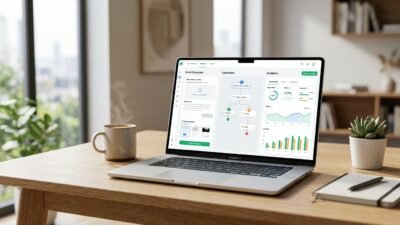
Brevo’s automation builder makes cart abandonment sequences straightforward to create. If you’re running Shopify, WooCommerce, or another supported e-commerce platform, the integration sends cart data directly to Brevo whenever someone abandons.
In the automation section, create a new workflow triggered by “Abandoned Cart” events. Add three email steps with appropriate delays — one hour, 24 hours, and 48 hours. Design each email using the drag-and-drop builder, pulling in dynamic product information from the abandoned cart.
You can set conditions to prevent sending emails if someone already completed their purchase. The last thing you want is to send “You forgot your cart” messages to someone who already bought those items.
Advanced Strategies
Once your basic sequence is running, you can get more sophisticated. Segment cart abandoners by cart value — someone who left $500 worth of products in their cart might receive a different incentive than someone who abandoned $50 worth.
Test different discount amounts to find your optimal incentive. Maybe 10% is too low to motivate action and 25% is unnecessarily generous. The sweet spot for your specific audience might be 15%.
Personalize based on browsing history. If someone abandoned their cart but continued browsing other products on your site, you might mention those other items in your recovery emails as cross-sell opportunities.
For high-value abandoned carts, consider following up with a phone call or SMS message in addition to email. A personal touch can recover sales that automated emails cannot.
Measuring Success
Track your cart recovery rate — what percentage of abandoned carts eventually convert? Industry averages range from 15-30%, but your results will vary based on your products, price points, and audience.
Calculate the revenue per email in your sequence. You might find that email two generates twice as much revenue as email three, which would suggest experimenting with different approaches for that final message.
Monitor your unsubscribe rates on these emails. If people are opting out of your list because of cart recovery messages, something in your approach is too aggressive or too frequent.
The beauty of cart abandonment emails is that they sell to people who already demonstrated purchase intent. They added items to their cart. They are closer to buying than 99% of people who land on your website. All you need to do is remove the obstacles and provide the right nudge at the right time.
→ Set Up Cart Recovery Automation with Brevo — Recover Lost Sales on Autopilot
Ready to Get Started?
Try the top-rated email marketing platform free. No credit card required.
Start Free Trial →Affiliate link — we may earn a commission at no extra cost to you. Learn more
Editorial Independence: Our content is based on independent research and testing. We are not affiliated with any software company. When you purchase through our links, we may earn a commission, but this never influences our recommendations. Read our editorial policy